
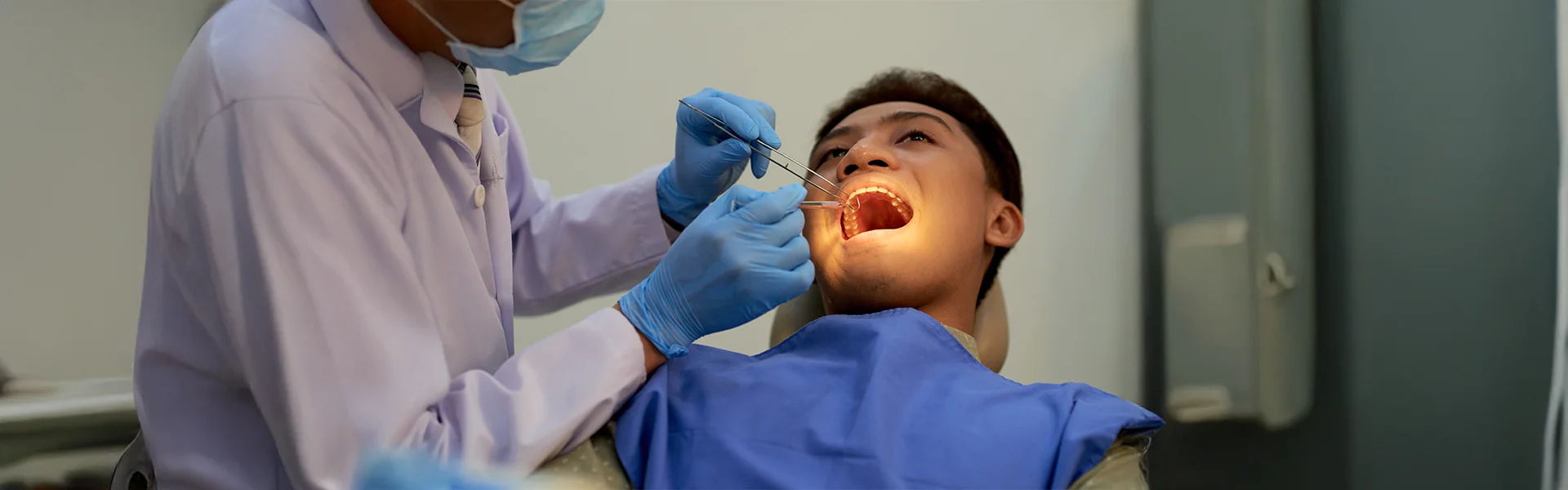
How to Control Dry Socket After Tooth Extraction
Tooth extractions are a really common dental procedure, but adequate aftercare is essential to ensure smooth healing. One of the most uncomfortable complications patients worry about is dry socket. Dry socket comes about when the blood clot that forms after an extraction becomes dislodged or dissolves too early, hence exposing the underlying bone and nerves.
Patients undergoing dental extractions in Fort Valley often ask how they can reduce the risk of dry socket and heal comfortably. Understanding what causes dry socket and how to prevent it can make recovery significantly easier and help avoid unnecessary pain or delays in healing.
What Is Dry Socket and Why Does It Happen?
Dry socket, also called alveolar osteitis, typically grows a few days after a tooth extraction. Under normal circumstances, a blood clot develops at the extraction site to safeguard the bone and support healing. When that clot is disturbed, healing slows and discomfort increases.
Dry socket may be caused by:
- Smoking or tobacco use
- Drinking through straws
- Poor oral hygiene after extraction
- Excessive rinsing or spitting
- Trauma to the extraction site
Understanding these causes is the first step toward prevention.
Immediate Aftercare Following a Tooth Extraction
The first 24 to 48 hours after an extraction are critical. During this time, protecting the blood clot should be the top priority.
Patients are usually advised to:
- Bite gently on gauze as instructed
- Avoid touching the extraction area
- Keep physical activity light
- Rest with the head elevated
Following post-extraction instructions closely helps reduce complications and supports healthy clot formation.
Daily Oral Hygiene Best Practices After Extraction
Maintaining oral hygiene is important, but it must be done carefully after a tooth extraction. Brushing and flossing should continue, but the extraction site should be avoided initially.
Best practices include:
- Gently brushing the surrounding teeth
- Avoiding direct brushing over the extraction area for several days
- Using a gentle rinse only if recommended
- Keeping the mouth clean without disturbing the clot
A dentist near me may provide personalized hygiene guidance depending on the complexity of the extraction.
Foods and Habits to Avoid During Healing
Diet plays a significant part in preventing dry socket. Certain foods and habits can disrupt the clot or irritate the healing area.
Patients should avoid:
- Crunchy or hard foods
- Sticky or chewy foods
- Hot beverages
- Alcohol consumption
- Using straws
Soft foods including yogurt, mashed potatoes, eggs, and smoothies eaten with a spoon are typically recommended during early healing.
Smoking and Tobacco Use Increase Dry Socket Risk
Smoking is one of the major risk factors for dry socket. The suction created during smoking can dislodge the blood clot, and chemicals in tobacco can slow healing.
Patients are often advised to:
- Avoid smoking for several days after extraction
- Reduce tobacco use during the healing period
- Follow dentist recommendations closely
Patients working with a dentist in Fort Valley, GA, may receive additional guidance on minimizing risks related to tobacco use.
Recognizing Early Signs of Dry Socket
Early detection allows for quicker treatment and relief. Dry socket symptoms usually appear two to four days after extraction.
Common signs include:
- Severe pain that radiates towards the ear or jaw
- Visible bone in the extraction site
- Bad taste or odor in the mouth
- Pain that worsens instead of improves
If these symptoms occur, contacting the dental office promptly is important.
What to Do If You Suspect Dry Socket
Dry socket does not resolve on its own and requires professional care. Dentists treat dry socket by cleaning the area, applying medicated dressings, and providing guidance for pain management.
Treatment may involve:
- Flushing debris from the socket
- Applying soothing medicated material
- Prescribing appropriate pain relief or antimicrobial rinses
Seeking care early can significantly reduce discomfort and speed recovery.
Importance of Regular Dental Checkups After Extractions
Follow-up visits after extractions allow dentists to monitor healing and identify potential problems early. These visits are especially important for patients with complex extractions or higher risk factors.
Regular checkups help ensure:
- Proper healing of the extraction site
- No signs of infection or dry socket
- Timely intervention if concerns arise
Patients under the care of Dr. J. Greg Whitaker often receive thorough post-extraction evaluations to support long-term oral health.
Long-Term Healing and When to Resume Normal Habits
Healing after a tooth extraction continues for several weeks. While discomfort usually improves within a few days, complete tissue recovery takes longer.
Patients are typically advised to:
- Gradually reintroduce solid foods
- Resume normal brushing carefully
- Follow any additional dental instructions
- Avoid habits that may stress the healing site
Patience and consistency during recovery reduce the risk of complications.
When to Contact Your Dentist During Recovery
Even with proper care, questions or concerns may arise during healing. Patients should contact their dentist if they experience:
- Persistent or worsening pain
- Signs of infection
- Bleeding that does not stop
- Difficulty healing
Prompt communication helps ensure comfort and prevents more serious issues.
Conclusion: Supporting a Smooth Recovery After Tooth Extraction
Dry socket can be painful, but it is largely preventable with proper aftercare and awareness. Protecting the blood clot, following dietary guidelines, maintaining gentle oral hygiene, and avoiding high-risk habits all contribute to successful healing.
Patients undergoing extractions benefit from working closely with their dental provider and following post-procedure instructions carefully. At Whitaker Family Dentistry, patients receive personalized guidance to support healing and comfort after tooth extractions, helping them return to daily life with confidence.